Uncovering Controversial Brutalism in Trondheim
Trondheim, Norway, boasts a rich architectural tapestry. From medieval Nidaros Cathedral to colorful wooden houses, history abounds. However, a specific style sparks much debate. We are talking about Brutalist architecture in Trondheim, often seen as controversial. This guide explores these unique, often imposing, structures.
Many people either love or dislike its raw, concrete aesthetic. This article delves into why Brutalism generates such strong opinions. Prepare to discover Trondheim's fascinating post-war urban landscape in 2026. It offers a different view of this historic Norwegian city.
Understanding Brutalism's Controversial Nature
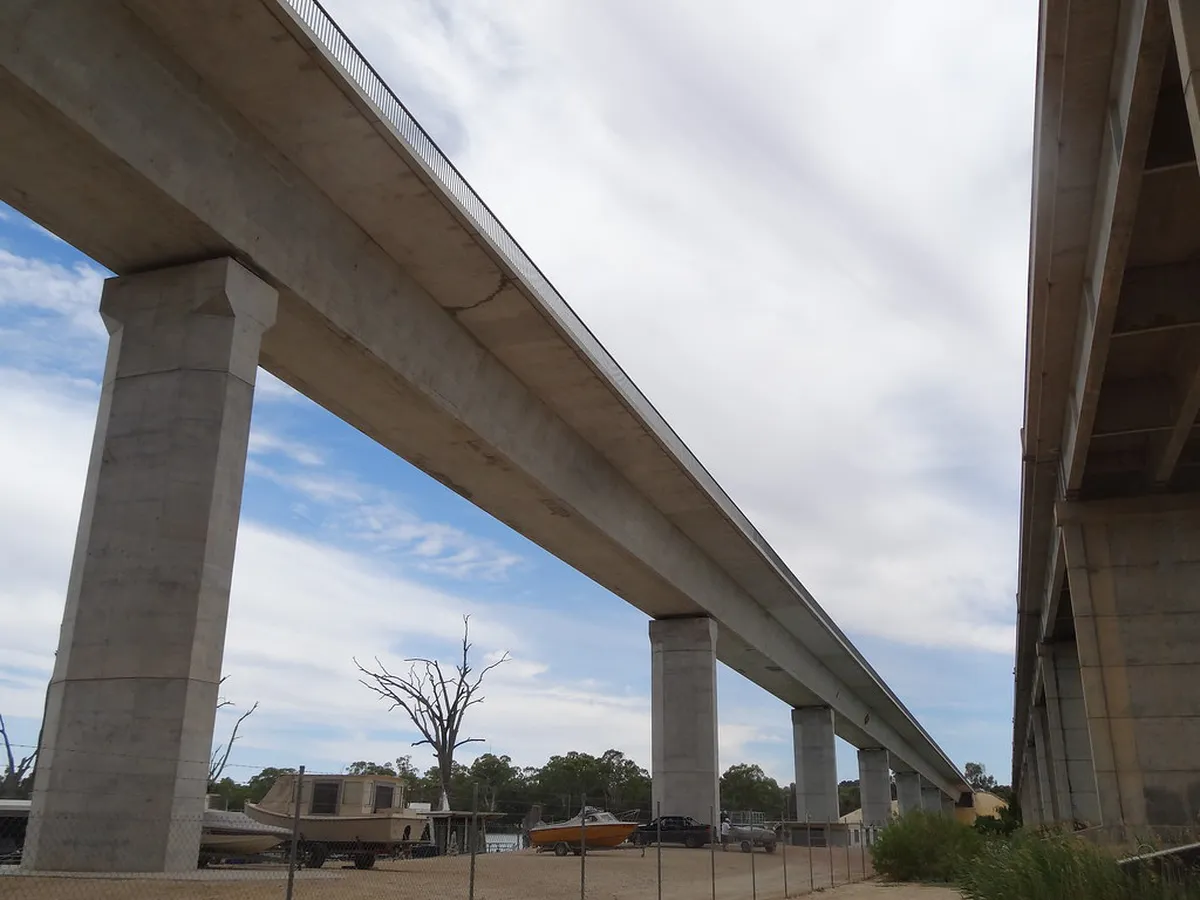
Brutalism emerged after World War II. It prioritized functionality, raw materials, and massive forms. Architects often used exposed concrete, known as béton brut. This style aimed for honesty in construction and design.
However, many find Brutalist buildings imposing and cold. Their large scale can overwhelm traditional urban settings. The stark concrete can appear unwelcoming to some onlookers. These structures were built quickly for post-war needs.
Trondheim adopted some Brutalist elements for public buildings. They were meant to represent progress and modernity. Yet, they often clashed with the city's historic charm. This contrast fuels much of the ongoing architectural discussion.
The debate around these structures continues today. Some advocate for their preservation as historical artifacts. Others believe they detract from Trondheim's beauty. This ongoing discussion shapes the city's future planning.
Notable Brutalist Structures in Trondheim
Trondheim features several prominent Brutalist examples. One key site is parts of the Norwegian University of Science and Technology (NTNU). These buildings showcase the characteristic use of raw concrete. They have a functional, monumental presence on campus.
The university area illustrates a clear departure from older styles. You can explore these distinctive NTNU buildings. They often feature repetitive window patterns and robust construction. Their design reflects a specific post-war architectural philosophy.
Other public buildings across Trondheim also display Brutalist traits. These structures often include municipal offices and cultural centers. They contribute to the city's diverse modern architectural landscape. Their stark forms stand in contrast to older, ornate buildings.
Visiting these sites offers a unique perspective. You can witness the architectural diversity firsthand. These buildings tell a story of Trondheim's development. They show its pragmatic approach during the mid-20th century.
Public Perception and Preservation Efforts
The public's view of Brutalism in Trondheim remains divided. Some residents appreciate the raw power and historical significance. They see these buildings as part of the city's unique story. They represent a distinct period of rapid growth.
However, many find them visually unappealing and out of place. They often criticize the lack of warmth and human scale. This aesthetic clash sparks passionate local discussions. The debate often centers on urban aesthetics and heritage conservation.
Efforts to preserve or modify these buildings are ongoing. Architects and urban planners weigh their options carefully. They consider both historical value and public opinion. Renovation and conservation projects aim to balance these needs. This ensures a thoughtful approach to Trondheim's future.
As of 2026, the city continues to grapple with this legacy. The future of Trondheim's Brutalist structures is a constant topic. It is a dialogue between past design and present-day urban living. This makes them a fascinating point of interest.
Frequently Asked Questions
⭐ Recommendation: Don't miss out on amazing Trondheim tours - book now!
What defines a Controversial Brutalism in Trondheim building?
Brutalist buildings in Trondheim typically use exposed concrete. They feature large, block-like forms and a robust appearance. Their functional, unadorned aesthetic often contrasts sharply with older buildings. This contrast can make them controversial. Many find them both striking and imposing.
Can I easily find these Brutalist sites in Trondheim in 2026?
Yes, many Brutalist structures are public buildings or university complexes. They are generally accessible for exterior viewing. Consider a self-guided Trondheim architecture itinerary. You can use online maps for specific locations. Most are found within the city center or NTNU campus areas.
Are there guided tours focusing on Trondheim's modern architecture?
Some local tour operators offer specialized architectural tours. These often include modern and post-war buildings. Check with the Trondheim tourist information office for 2026 schedules. They can guide you through Trondheim architectural walking tours. These tours provide deeper insights into the city's urban development.
Trondheim's controversial Brutalism offers a distinct architectural experience. These buildings challenge traditional notions of beauty. They also highlight a significant period in city planning. Consider exploring these fascinating structures on your next visit. They are an integral part of Trondheim's urban development history. Embrace the debate and form your own opinion on this robust style.
Key Takeaways
- Brutalism in Trondheim uses raw concrete and massive forms.
- These buildings spark strong opinions regarding aesthetics and urban integration.
- Visit NTNU and other public sites to see notable Brutalist examples.