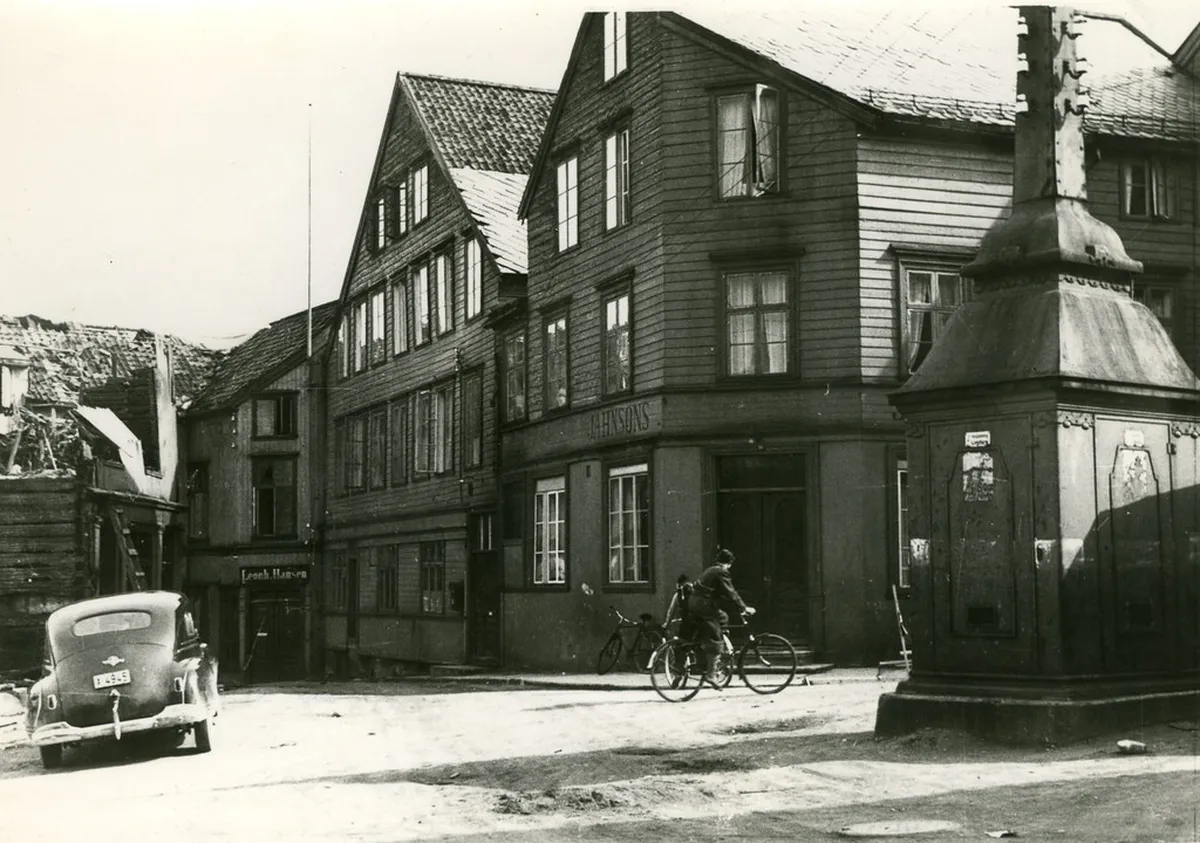
Exploring the Polar Museum Tromsø Building History
Tromsø stands as Norway's gateway to the Arctic. It holds a rich history of polar exploration. The city offers many captivating museums. The Polar Museum uniquely showcases this brave heritage.
Its location on the historic Skansen wharf is special. This museum building itself tells a compelling story. Discover the intriguing Polar Museum Tromsø building history. Learn about its architectural significance in 2026.
The Museum's Original Purpose: Tromsø Customs House
The building housing the Polar Museum is historic. It was originally constructed in 1830. This makes it one of Tromsø's oldest wooden structures. It served as the city's customs house, known as Tollbua.
This prime location on the waterfront was strategic. It oversaw all maritime trade in the bustling harbor. Ships from around the world arrived here. They paid duties and processed goods through this building.
Its architectural style reflects the Empire period. It features a simple yet elegant design. The wooden construction is typical for its era. This building is a significant example of Tromsø's early 19th-century architecture. It embodies the city's commercial past.
The structure has withstood harsh Arctic weather. It has seen centuries of change in Tromsø. Its enduring presence speaks to its robust construction. This heritage building is a true survivor.
From Customs Office to Arctic Heritage Hub
The customs house function ended in the mid-20th century. The building then found a new, vital purpose. It became the Polar Museum in 1978. This transformation marked its 50th anniversary.
The museum celebrates Norway's polar exploration. It highlights figures like Fridtjof Nansen and Roald Amundsen. Their epic journeys shaped the Arctic's story. The exhibitions tell tales of sealing, whaling, and trapping.
The historic setting greatly enhances the museum experience. Visitors walk through rooms once filled with traders. Now, these spaces honor brave explorers. This connection to the past is powerful.
The building itself is a key exhibit. It demonstrates Tromsø's museums architecture. Its history directly relates to the Arctic themes inside. This creates a deeply immersive educational environment for visitors in 2026. It aligns with Arctic architecture principles focusing on functionality.
Understanding the Polar Museum Tromsø Building History and Design
The Polar Museum building showcases traditional Norwegian timber construction. Its structure is made of solid wooden logs. These were expertly joined together. This technique provided excellent insulation against the cold.
The design is primarily functional. It has large windows on the waterfront side. These offered clear views of incoming ships. Such practical elements were crucial for a customs house.
Over the years, the building underwent various renovations. These projects aimed to preserve its historical integrity. Careful attention was paid to original materials. This ensures its authentic appearance endures.
Inside, visitors can observe historical details. These include original floorboards and structural elements. The building itself is a testament to Tromsø's traditional building materials. It offers insights into early 19th-century craftsmanship.
Frequently Asked Questions
🌟 Local Expert Tip: Get the most out of your Oslo visit with guided tours!
What is the main focus of the Polar Museum in Tromsø?
The Polar Museum primarily focuses on Norway's polar exploration. It covers sealing, whaling, and Arctic trapping. The museum also highlights famous polar explorers. Key figures include Roald Amundsen and Fridtjof Nansen.
It provides insights into the harsh realities of Arctic life. Visitors learn about the challenges and triumphs. The museum offers an engaging journey through this rich history. Explore more about architecture museums in Tromsø.
When was the Polar Museum building originally constructed?
The building housing the Polar Museum was constructed in 1830. It originally served as Tromsø's customs house. This makes it one of the oldest buildings in the city. Its history predates its museum role by nearly 150 years.
Its long history is fascinating. It's a key part of Tromsø's urban development. This structure has seen many changes over time. Consider a Tromsø architecture walking tour to see similar sites.
Is the Polar Museum building accessible for all visitors?
The Polar Museum is housed in a very old building. Accessibility can be challenging due to its historical nature. The ground floor is generally accessible. However, upper floors may have limitations. It is always best to contact the museum directly for specific accessibility information before your 2026 visit.
The Polar Museum in Tromsø is more than just a museum. Its historic building is a crucial artifact itself. It connects visitors directly to Tromsø's past. From customs house to Arctic heritage center, its journey is unique.
Visiting in 2026 offers a chance to explore. Immerse yourself in polar history. Understand the enduring architectural legacy of Tromsø's historical buildings. This experience truly brings Arctic stories to life.
Key Takeaways
- The Polar Museum building dates back to 1830, originally serving as Tromsø's customs house.
- Its location on Skansen wharf played a vital role in Tromsø's maritime trade history.
- The museum's historic setting enhances its exhibitions on polar exploration and Arctic heritage.