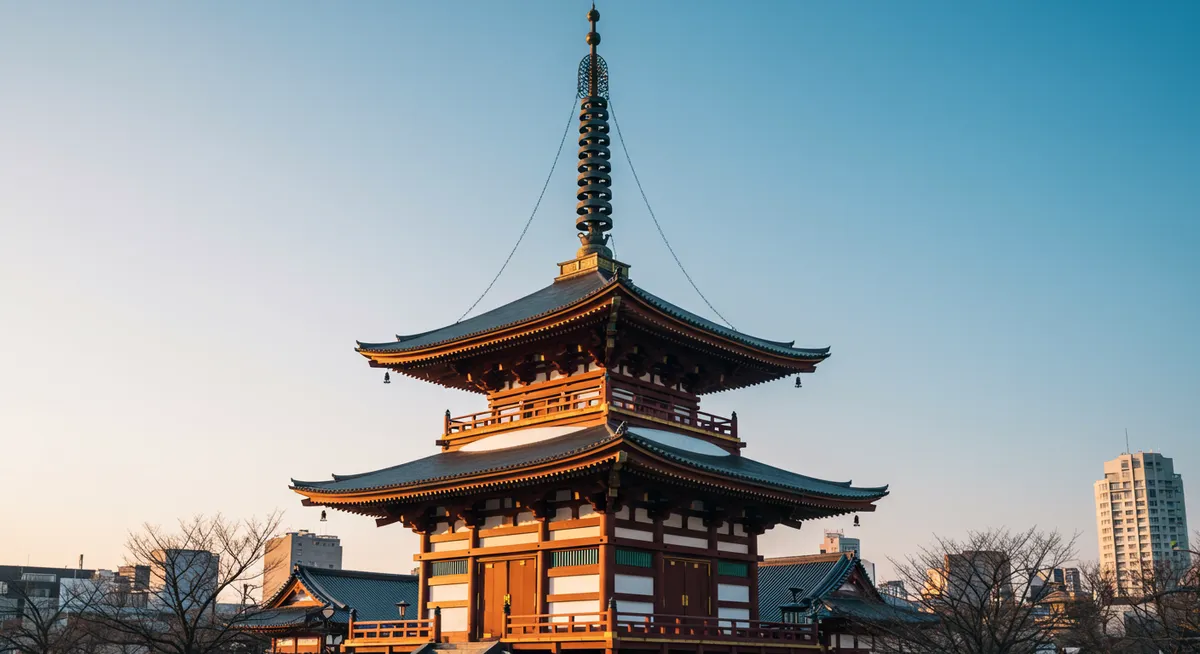
TL;DR: Spend 3 days in Tokyo exploring Shibuya, Asakusa, and Akihabara, then ride the Shinkansen to Kyoto for 3 days of temples, bamboo groves, and world-class food. Budget roughly ¥20,000–30,000 ($130–200) per person per day for a comfortable mid-range trip in 2026. The JR Pass (¥50,000 for 7 days) is only worth buying if you add day trips beyond the core Tokyo–Kyoto route.
Having traveled through Japan multiple times, I can say that a Tokyo Kyoto itinerary 6 days remains one of the best introductions to the country. Tokyo delivers futuristic cityscapes, world-class shopping, and some of the planet's finest street food. Kyoto answers with over 2,000 temples, serene bamboo forests, and a food culture rooted in centuries of imperial tradition. This updated 2026 guide walks you through every day, with practical budget breakdowns, transportation advice reflecting the latest JR fare changes, and local tips most guides skip.
Before You Go: 2026 Planning Essentials
A few critical updates for travelers planning a Tokyo Kyoto itinerary 6 days in 2026. JR local train fares increased by 4.4–5.2% starting March 2026, though Shinkansen pricing remains unchanged. The 7-day JR Pass still costs ¥50,000 — a one-way Tokyo–Kyoto Shinkansen ticket runs about ¥13,320, so the pass only breaks even if you add significant side trips. For a straightforward Tokyo–Kyoto round trip, buying individual tickets is often cheaper. Starting April 2026, JR Pass holders can collect reservations at automated ticket machines with passport readers, eliminating the old counter queues.
For daily budgets, expect ¥20,000–30,000 ($130–200) per person covering mid-range accommodation (¥8,000–15,000 per night), meals (¥3,000–5,000), local transit (¥1,500–2,500), and attraction fees. Shoulder seasons — late May through June and September through mid-November — offer 30–40% savings on hotels compared to cherry blossom season and Golden Week. Get a Suica or Pasmo IC card at the airport for seamless subway and convenience store payments in both cities. For Kyoto-specific money-saving strategies, including the new 2026 accommodation tax details, check our dedicated budget guide.
Day 1: Arrival and Tokyo's Electric Energy
Arrive at Narita (NRT) or Haneda (HND) Airport and head to your hotel. Haneda is closer to central Tokyo (30 minutes by monorail versus 60–90 minutes from Narita), so factor that into your first-day plans. Once checked in, ease into Tokyo's rhythm at Shibuya Crossing, the world's busiest pedestrian intersection — the Shibuya Sky observation deck offers a stunning aerial view and is less crowded than you might expect on weekday afternoons.
From Shibuya, walk through Harajuku's Takeshita Street to experience Tokyo's youth fashion culture, then continue to Meiji Jingu Shrine, a peaceful forested sanctuary just steps from the urban chaos. End the day in Shinjuku, where the Tokyo Metropolitan Government Building's free observation deck provides panoramic sunset views across the skyline. For dinner, explore the maze of tiny restaurants under the train tracks at Shinjuku's Omoide Yokocho (Memory Lane) — yakitori sets start from ¥800 and the atmosphere is quintessentially Tokyo. Check our Tokyo shopping guide if you want to squeeze in retail therapy.
Day 2: Tokyo's Cultural Treasures and Hidden Gems
Start early at Senso-ji Temple in Asakusa — arriving before 8 AM means you will have the grounds largely to yourself for photography. Walk through Nakamise-dori for traditional snacks like freshly grilled senbei and ningyo-yaki. Cross the Sumida River to Tokyo Skytree for a different perspective on the city, or save the admission fee and enjoy the free views from the base plaza.
After lunch, visit the East Gardens of the Imperial Palace, a tranquil space with seasonal flowers and remnants of Edo Castle's original fortifications. Continue to Akihabara if you are interested in electronics, anime culture, or retro gaming — multi-floor arcades and themed cafes make this district unlike anywhere else on Earth. Alternatively, spend the afternoon in Yanaka, one of Tokyo's last shitamachi (old town) neighborhoods, where narrow lanes lined with independent shops and family-run eateries feel frozen in time. For a deeper dive into planning your Tokyo days, see our comprehensive Tokyo itinerary.
Day 3: Shinkansen Day — Tokyo to Kyoto and First Evening in Gion
Check out of your Tokyo hotel and take the Shinkansen from Tokyo Station to Kyoto Station. The Nozomi is fastest at roughly 2 hours 15 minutes, though it is not covered by the JR Pass — if you purchased a pass, take the Hikari (about 2 hours 40 minutes). Pro tip: sit on the right side (seats D and E) heading westbound for potential Mount Fuji views on clear days, best between Shin-Yokohama and Shizuoka stations.
Use luggage forwarding services (takkyubin) to send your bags ahead to your Kyoto hotel for around ¥2,000 per bag — this lets you travel light and start sightseeing immediately upon arrival. After checking in, head to Gion, Kyoto's famous geisha district. Walk along Hanamikoji Street as dusk falls for the best chance of spotting a geiko or maiko heading to evening engagements. End with dinner at a traditional kaiseki restaurant or try Kyoto's signature obanzai (home-style) cuisine — our Kyoto food guide covers the best dining neighborhoods and dishes to order.
Day 4: Kyoto's Temple Circuit — Golden Pavilion to Kiyomizu-dera
Dedicate today to Kyoto's most iconic sites. Begin at Kinkaku-ji (Golden Pavilion), arriving at the 9 AM opening to avoid the heaviest crowds. The gold-leaf structure reflected in the surrounding pond remains one of Japan's most photographed scenes. From here, take the bus to Ryoan-ji Temple to contemplate its legendary rock garden — 15 stones arranged so that no matter where you stand, at least one remains hidden.
After a lunch break near Kitano Tenmangu Shrine (try the surrounding street stalls for Kyoto-style udon), visit Nijo Castle. Built as the Kyoto residence of the Tokugawa shoguns, its "nightingale floors" were engineered to chirp when walked upon, serving as an intruder alarm. The castle's Ninomaru Palace contains stunning screen paintings that reward slow, careful viewing.
In the late afternoon, walk the atmospheric lanes of Higashiyama toward Kiyomizu-dera Temple. The wooden stage jutting out over the hillside provides sweeping views of Kyoto, especially dramatic in the golden hour before sunset. The surrounding Sannen-zaka and Ninen-zaka lanes are lined with pottery shops, tea houses, and matcha dessert spots. For more detail on these sites, our Kyoto temples and shrines guide provides background and practical tips for each.
Day 5: Arashiyama Bamboo Grove and Fushimi Inari's Thousand Gates
Arrive at Arashiyama Bamboo Grove by 7:30 AM — this is non-negotiable if you want photos without dense crowds. The towering bamboo stalks create an otherworldly green corridor that feels almost silent in the early morning. Nearby, Tenryu-ji Temple (a UNESCO World Heritage site) has a 14th-century garden worth the ¥500 admission, and crossing the Togetsukyo Bridge provides classic views of the surrounding mountains.
After lunch in Arashiyama (try the local tofu restaurants — yudofu is Kyoto's signature dish), take the JR Sagano Line and Nara Line to Fushimi Inari-taisha Shrine. The famous trail of over 10,000 vermilion torii gates winds up Mount Inari for roughly 2–3 hours round trip to the summit. Most tourists turn back after the first few hundred meters, so the upper sections are remarkably peaceful. The shrine is open 24 hours and free to enter, making it one of Kyoto's best-value experiences.
For dinner, head to Nishiki Market area or Pontocho Alley along the Kamogawa River. If your budget allows, consider a riverside yuka dining experience available from May through September — eating on wooden platforms built over the water is a uniquely Kyoto tradition.
Day 6: Final Morning in Kyoto and Departure
On your last day, visit Nishiki Market early — called "Kyoto's Kitchen," this 400-year-old covered market stretches five blocks and offers everything from fresh yuba (tofu skin) to pickled vegetables and matcha sweets. It is the best place for edible souvenirs. If your flight schedule allows, squeeze in a visit to Tofuku-ji Temple (stunning gardens without the Kinkaku-ji crowds) or the Philosopher's Path for a reflective morning walk.
For the return trip to Narita or Haneda, the Shinkansen from Kyoto Station to Tokyo takes about 2 hours 15 minutes, plus another 30–90 minutes to the airport. Build in at least 4 hours of total transit time before your flight. If departing from Kansai International Airport (KIX) instead, the Haruka Express from Kyoto Station takes 75 minutes — often a more convenient option that saves hours of backtracking to Tokyo.
Budget Breakdown: What This 6-Day Trip Actually Costs in 2026
Here is a realistic per-person breakdown for a mid-range Tokyo Kyoto itinerary 6 days in 2026:
- Accommodation (5 nights): ¥50,000–75,000 ($330–500) — mid-range hotels or quality hostels
- Shinkansen (Tokyo–Kyoto one-way): ¥13,320 ($88) — or ¥50,000 for a 7-day JR Pass if adding day trips
- Local transportation: ¥7,500–12,500 ($50–83) — subway, bus, IC card usage
- Food (6 days): ¥18,000–30,000 ($120–200) — mix of convenience stores, ramen shops, and sit-down restaurants
- Attractions: ¥5,000–8,000 ($33–53) — many temples charge ¥300–600 per entry
- Total estimate: ¥93,820–138,820 ($620–920) per person
Save money by eating lunch at high-end restaurants instead of dinner (many offer lunch sets at half the dinner price), visiting free attractions like Meiji Jingu and Fushimi Inari, and shopping at 100-yen stores like Daiso for snacks and small souvenirs. For more detailed savings strategies, our Kyoto budget travel tips guide breaks down every cost category.
Frequently Asked Questions
What is the best way to travel between Tokyo and Kyoto in 2026?
Is 6 days enough for Tokyo and Kyoto?
What is the best time of year to do this Tokyo Kyoto itinerary?
Should I buy a Japan Rail Pass for a 6-day Tokyo-Kyoto trip in 2026?
How much does a 6-day Japan trip cost per person in 2026?
Do I need to book Shinkansen tickets in advance?
A Tokyo Kyoto itinerary 6 days packs two of Asia's greatest cities into a single trip, balancing Tokyo's neon-lit innovation with Kyoto's contemplative beauty. With the practical tips and day-by-day structure in this 2026 guide, you will spend less time planning logistics and more time soaking in the experience. Book your Shinkansen and popular accommodations early during peak seasons, keep a Suica card loaded for daily convenience, and leave room for spontaneous discoveries — the best moments in Japan often happen when you wander off the planned route.
Ready to start planning? Explore more Japan travel guides and build your custom itinerary with ItiMaker. For extended trips, our 10-day Tokyo Kyoto itinerary adds Osaka, Nara, and day trip options.